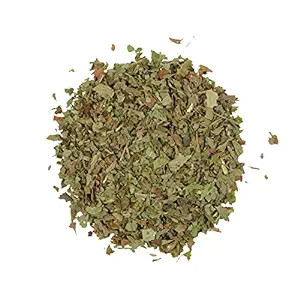
 What is Lemon Balm?
Lemon balm is a perennial plant with leaves that resemble the mint plant. A common English garden plant for hundreds of years, lemon balm is so named because of its lemony aroma. The lemon scent can be more noticeable after the leaves have been rubbed and the aroma can be lost after a period of time while being stored. Most individuals who use lemon balm prefer to grow their own alongside other herbs to use as needed. However, in herbal remedies, the dried leaf is more commonly used than fresh foliage.
Effects of Lemon Balm
The most common effect of lemon balm is the mild sedative reaction this herb has on the body. The natural soothing effects work as a calming agent. Combined with valerian, lemon balm has been studied and proven to be a valuable treatment for insomnia and can be just as effective as the prescribed medication triazolam.
Benefits of Lemon Balm
Because of the relaxing properties of this herb, lemon balm has been prescribed by herbalists for anxiety, stress, and attention deficit disorder (ADD). Muscle tensions that are associated with these ailments are also eased leaving the body in an overall tense-free state. For sleeping disorders including insomnia, lemon balm is most generally consumed as an herbal tea.
Lemon balm has antibacterial and antiviral properties which can aid in healing wounds, soothe insect bites and bee stings, and heal minor skin infections including cold sores. Used as a topical cream, studies have proven that lemon balm can relieve the discomfort, itching, and swelling associated with herpes outbreaks. Using lemon balm for the herpes virus infection can also shorten the healing process and prevent the spread of the infection.
Herbalists also recommend lemon balm for stomach discomfort due to its ability to reduce gas in the digestive system and relieve stomach cramps. Essential oils containing lemon balm are effective for relieving the pain associated with irritable bowel syndrome (IBS). This treatment can ease the symptoms of IBS without causing the side effects known to be present in prescribed medications including constipation.
Where to Find Lemon Balm
Lemon balm can be easily grown in a garden or in a container with the care needed comparable to that of most herbs. Herbal teas containing lemon balm and tablet form of this herb can be purchased at most health food stores. Topical creams are easily found on the Internet and through a qualified herbalist.
Words of Caution
Due to the calming effects, lemon balm should be avoided when taking any prescribed medications labeled as barbiturates. Essential oils containing lemon balm are not recommended for those with glaucoma as it may increase pressure in the eye. Individuals with health issues should speak with their health care provider before starting any herbal remedy treatments. Always inform your physician when using herbal remedies as this herb as well as many others can interact with prescribed medications.

Leave a Reply